Design is never neutral. Every experience makes some actions easier, some harder, and signals what deserves our attention. In product work, those choices shape behavior whether or not the team explicitly thinks of them that way.
That is why I’ve become increasingly interested in behavioral design. The question isn’t only whether an experience is useful, usable, or visually compelling. It is also what we are helping someone understand, decide, or do—and whether the experience makes that action easier or harder.
This applies well beyond digital products. An interface, a public space, a campaign, or a service can all influence attention and behavior. Understanding that influence gives designers another way to look at the work: identify what may be getting in someone’s way, understand why, and make more deliberate choices about the experience we create.
Designing with intention starts there.
Start With Behavior
One useful starting point is the Fogg Behavior Model. It proposes that behavior occurs when motivation, ability, and a prompt come together at the same moment.
For designers, the value of the model is less about memorizing a formula and more about diagnosing why an intended behavior is not happening. Someone may care about the outcome but find the action too difficult. The action may be easy but feel irrelevant. In other situations, the person may simply never encounter a useful prompt at the right moment.
That gives us several places to look before assuming that the interface itself is the problem. We can make an action easier, make its value more relevant, or help someone recognize an appropriate moment to act.
Choice architecture and nudge theory offer another useful lens. The way choices are organized, explained, and presented can materially affect what people notice and what they eventually decide. Good design recognizes that reality without assuming that influence gives us permission to manipulate people.
Look For The Friction
In my experience, one of the more useful behavioral questions is simply: what is getting in the way?
People regularly intend to do things that they never actually do. They want to save more, exercise, complete an application, learn something new, make a difficult decision, or change an existing habit. The gap between intention and action often reveals a better design opportunity than starting with a feature idea.
Some recurring barriers are particularly useful when framing research and evaluating an experience.
| Behavioral barrier | What may be happening | Possible design response |
|---|---|---|
| Procrastination | The task feels difficult, distant, or easy to postpone | Reduce the size of the first step and make progress visible |
| Inertia | Doing nothing feels easier than making a change | Reduce setup effort and make the path forward easier to understand |
| Fear of failure | The person worries about making the wrong choice | Explain consequences clearly and create opportunities to proceed with confidence |
| Choice overload | Too many options make comparison difficult | Organize choices around meaningful differences and provide useful guidance |
| Ambiguity | The person does not understand what happens next | Clarify the next action and what to expect after taking it |
| Present bias | A distant benefit loses to a more immediate concern | Make future value more tangible and provide useful feedback along the way |
| Low personal relevance | The information feels generic or disconnected from the person’s situation | Use context to make the experience more relevant |
| Low confidence | The person lacks enough information or reassurance to act | Provide evidence, explanation, and appropriate support |
The table is not a recipe for choosing design tactics. Its value is in helping a team frame better questions about why behavior is occurring before deciding how the experience should change.
That distinction matters. A progress indicator is useful when uncertainty about progress is actually a barrier. Personalization is useful when relevance is the problem. Neither is inherently good design simply because behavioral science gives us a name for the mechanism.
Design Around The Decision
Once we understand the barrier, design can change the conditions surrounding a decision.
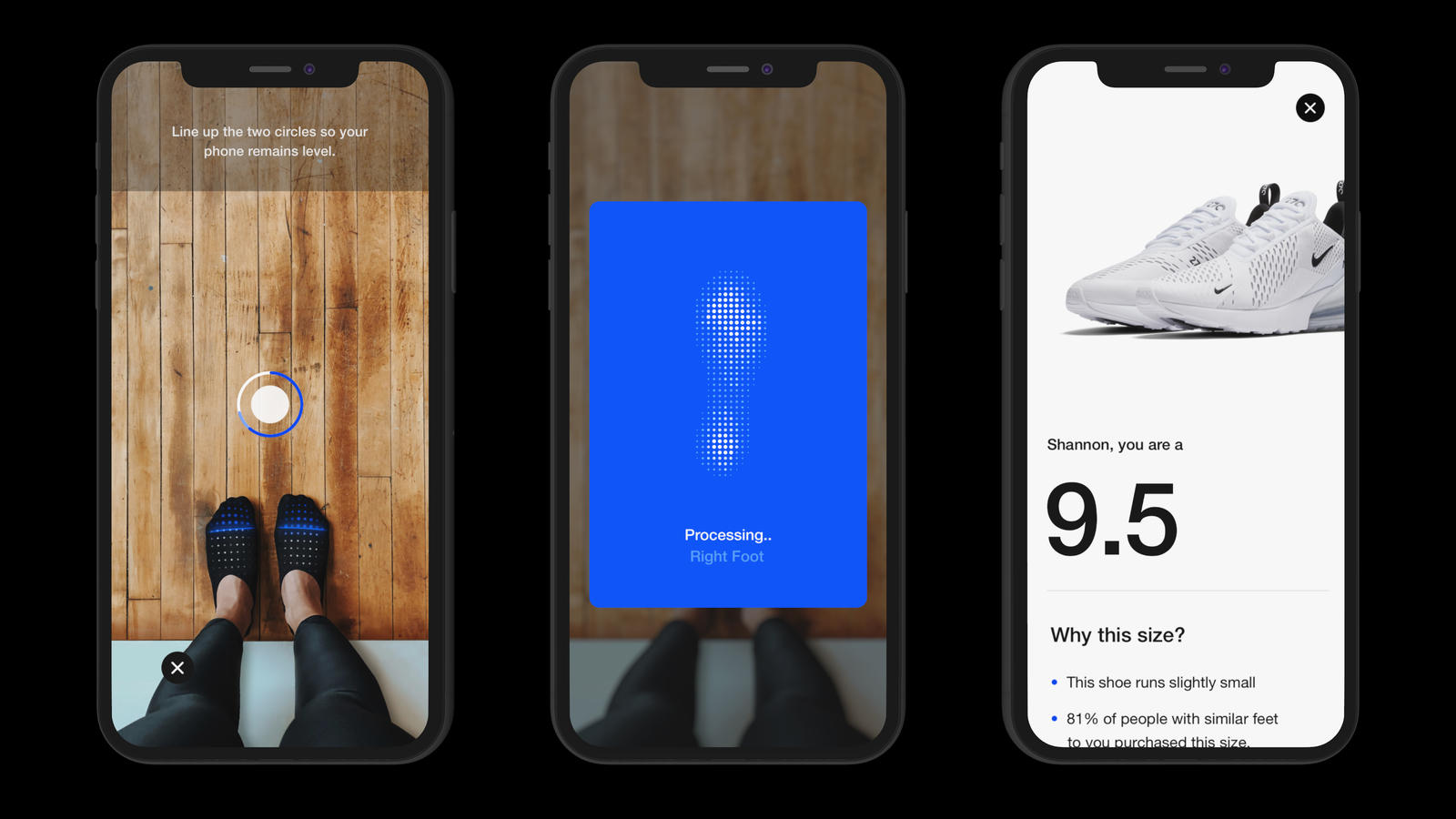
Duolingo makes an enormous learning goal feel manageable by reducing it into short lessons and showing progress over time. Nike Fit addressed uncertainty about purchasing the wrong shoe size by using technology and a focused interaction to give customers greater confidence. Campaigns such as WWF’s environmental work use visual storytelling to make an abstract consequence feel immediate and human.
The same thinking applies beyond products and interfaces. Environmental design can make a place feel inviting or confusing. Communication design can make an issue feel relevant or distant. An identity system can help people recognize themselves as part of something larger.
Different disciplines use different materials, but the behavioral question is often similar. What are we hoping someone will notice, understand, believe, or do, and what is currently making that difficult?
Behavior Is Not Just A Design Problem
Designers can influence behavior, but we rarely understand or shape it alone. The strongest work usually depends on people with different forms of evidence and expertise looking at the same problem.
Research can help us understand motivation and context. Analytics can reveal where actual behavior differs from what people say they intend to do. Product and business partners can clarify the outcome and constraints surrounding the experience, while technology determines what can be made possible at a particular moment.
Design has an important role because it can bring those inputs together and give a potential response form. A prototype, journey, story, or visual expression allows a team to see the implications of its assumptions and evaluate something more tangible than an abstract strategy.
This is one reason I have become increasingly interested in behavioral science as part of design leadership. It gives multidisciplinary teams a shared way to talk about the human side of a problem without reducing that problem to usability alone.
From Behavioral Insight To Design Choices
There are many ways behavioral understanding can influence an experience, and the right choice depends on the problem. A few familiar examples show how differently the same underlying thinking can appear in practice.
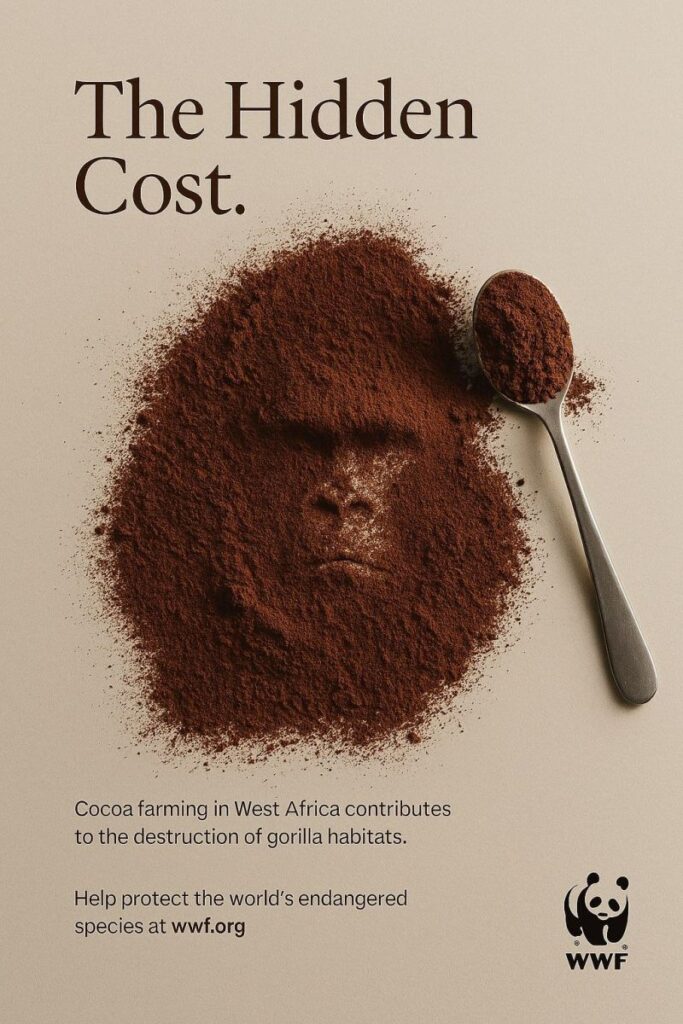
WWF – “The Hidden Cost”
Challenge:
Emotional detachment from environmental issues.
Behavioral Lever:
Emotional storytelling to drive belief.
Design Tactic:
Used metaphor and simplicity to make abstract problems feel urgent and personally relevant.
Credit: Nikolaj Lykke Viborg, WWF (Denmark)
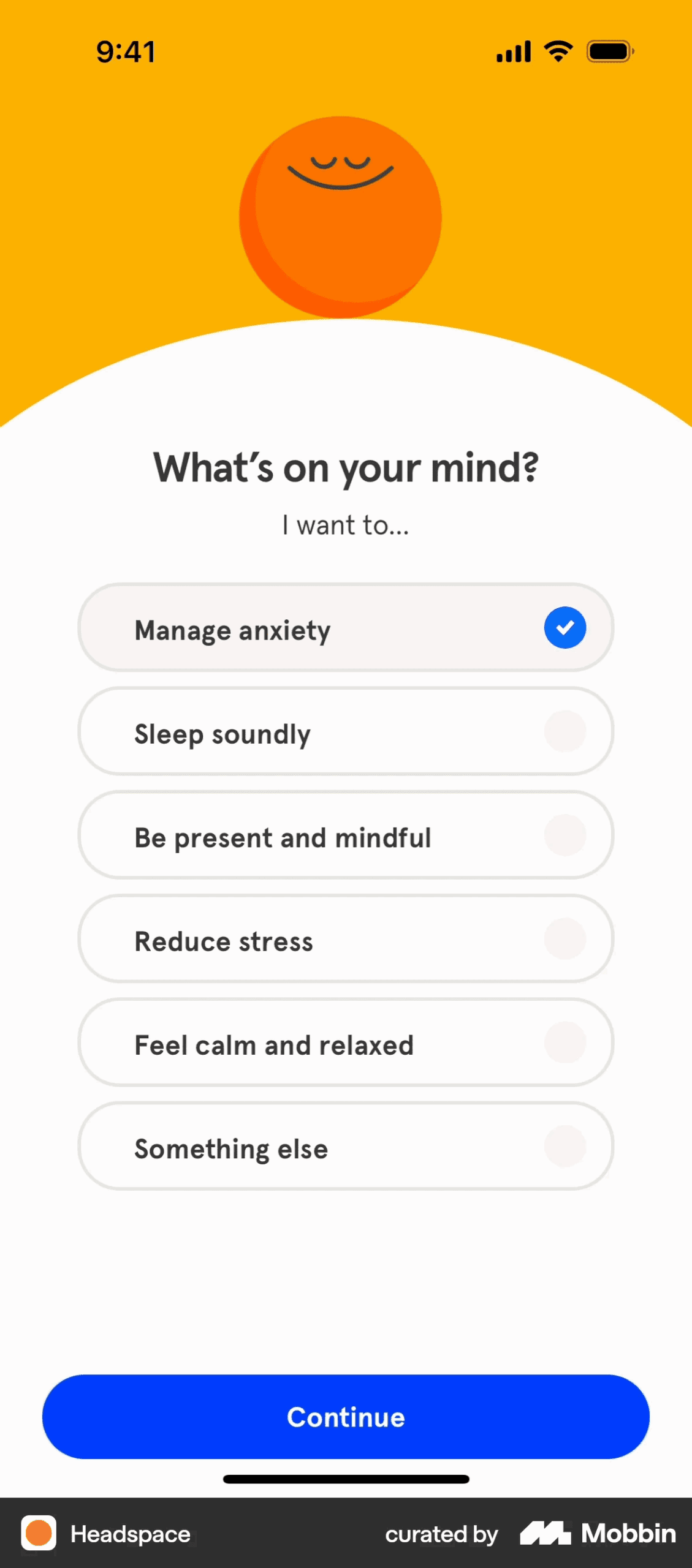
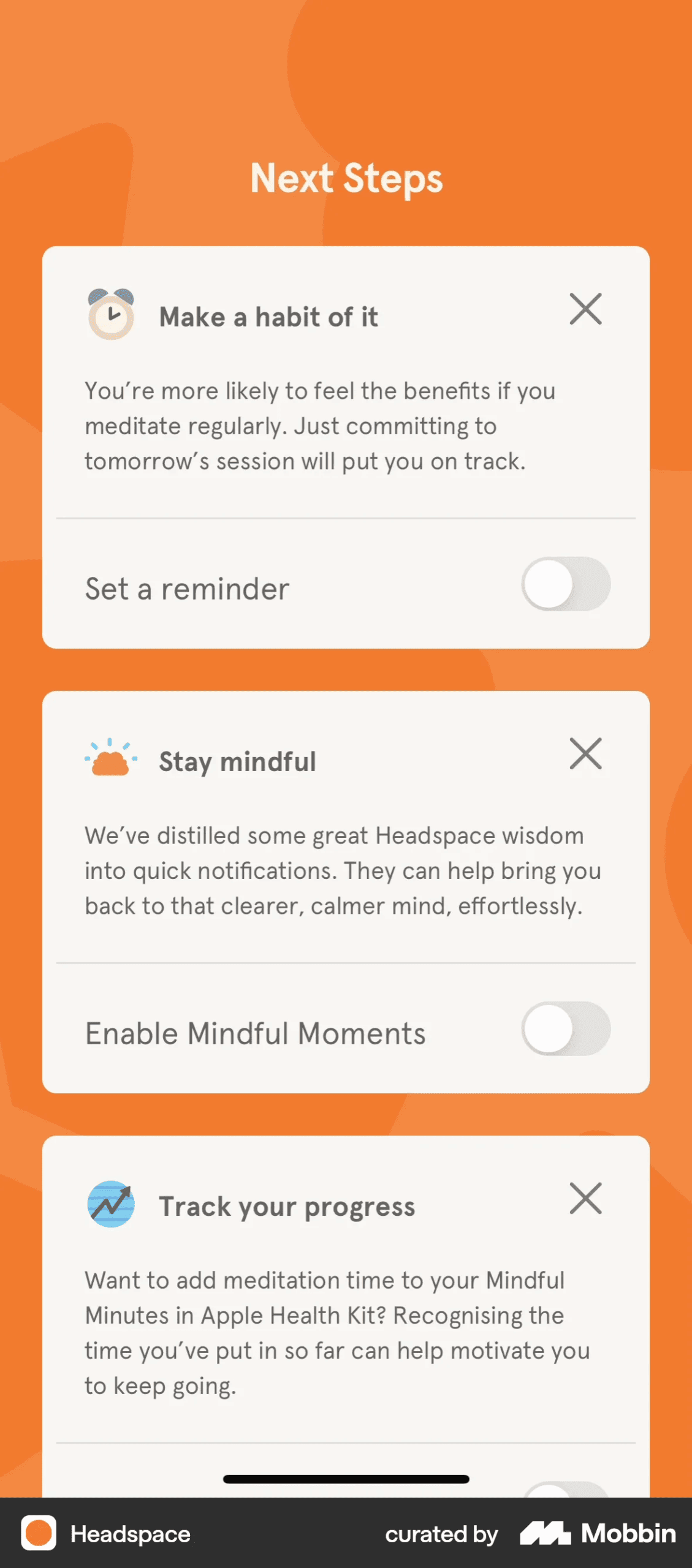
Headspace – Gamified Meditation Learning
Barrier to Overcome:
Inertia, present bias, lack of time.
Behavior Lever:
Act and remember.
Design Tactic:
Set a weekly goal during sign up, personalized daily nudges, visual streaks and badges for momentum.
Nike Fit – AR Sizing Experience
Challenge:
Inertia and fear of buying the wrong size online.
Behavioral Lever:
Trust-building through simplicity.
Design Response:
Deployed an AR scan and clean, minimal UI to reduce friction and instill purchase confidence.
MIT Media Lab Identity
Challenge:
Lack of shared identity across decentralized teams.
Behavioral Lever:
Visual cohesion combined with team individuality.
Design Tactic:
Created a grid-based generative identity system that balanced consistency with creative expression.

Questions I Use With Teams
When I work with teams, I find a few questions particularly useful for getting underneath an experience problem. They force us to move beyond discussing screens and features and examine what we actually expect to change for the person using what we create.
What are we asking someone to do?
The desired behavior should be explicit enough that a team can discuss it and challenge whether it is appropriate.
Why might someone not do it?
Look for evidence of uncertainty, effort, fear, competing priorities, habit, or a lack of relevance before deciding on a solution.
What evidence supports our explanation?
Observed behavior is especially valuable when it contradicts what people tell us they intend to do.
What would make the decision easier to understand?
The answer may involve reducing effort, changing the information available, clarifying consequences, or reconsidering the experience entirely.
Are we helping the person or merely improving our metric?
Behavior change deserves more scrutiny when the organization’s desired action and the person’s interests are not clearly aligned.
Those questions are useful well before detailed design begins. They can influence research, opportunity framing, prioritization, and the way a team defines success.
Influence Comes With Responsibility
The ability to influence behavior creates an ethical responsibility for designers and product leaders. Many of the same techniques that can help someone follow through on a beneficial action can also be used to create urgency, obscure choices, or encourage behavior that primarily benefits the organization.
I do not think the answer is to avoid behavioral design. Every choice about defaults, hierarchy, language, timing, and information already affects the experience, whether we acknowledge that influence or not.
The better standard is to use that influence with intention. People should understand meaningful choices, retain agency, and receive value from the behavior we are encouraging.
This becomes particularly important as personalization and AI make experiences more adaptive. Greater knowledge about a person’s circumstances can create much more useful experiences, but it also increases the responsibility to be thoughtful about what we ask of them and why.
Designing With Intention
Behavioral design isn’t about finding better ways to push people toward an action. At its best, it helps us understand where confusion, friction, motivation, or context may be getting in the way and then design an experience that responds to those realities.
For me, that is the practical value of designing with intention. Be clear about the behavior you are trying to support, understand what may prevent it, and make deliberate choices about how the experience responds. The work is still design; we are simply being more explicit about the effect we hope it has.
About Gavin Cooper
Gavin Cooper is a UX executive and strategic advisor with over 20 years of experience helping product and design teams deliver meaningful digital experiences. He speaks regularly to executive leaders and university programs about UX strategy, AI, and organizational design.