Before moving into enterprise leadership, I spent much of my career building independent design businesses. As cofounder and Chief Strategy Officer of Cooper Graphic Design, and later a founding partner of FourFront, I had to think about design from several perspectives at once. The quality of the work mattered, but so did earning client trust, developing talented people, understanding the market, and building a healthy business around the practice.
Those experiences shaped how I think about design leadership today. They taught me that design decisions are closely connected to business decisions, and that the environment surrounding the work has a direct effect on what a team is able to create.
Building Cooper Graphic Design
I cofounded Cooper Graphic Design with Michele Cooper and served as Chief Strategy Officer. We built an independent practice that helped organizations use research, strategy, and design to work through communication and experience challenges.
Over the life of the business, we worked with more than 75 clients across healthcare, education, technology, culture, and the nonprofit sector. Our work ranged from brand and communication strategy to digital products and experiences, which gave me the opportunity to work across very different customer problems and organizational environments.
The practice was built around close partnership with clients. We spent time understanding their organizations and the people they served before determining what the design response should be. That approach helped us clarify the problem, establish a direction together, and create work that was grounded in more than an initial brief.
As the business grew, my role expanded well beyond individual projects. I helped develop client relationships, lead multidisciplinary teams, grow talent, and shape the culture of the company while also taking responsibility for the health of the business itself.
Creating the Conditions for Great Work
Building the firm made the relationship between culture and creative quality very tangible to me. Talented people could do significantly better work when they understood what was expected of them, had room to exercise judgment, and felt trusted by the people around them.
We invested heavily in finding and developing people who could bring their own perspective to the work. The practice ultimately received 23 design awards, but I came to see those outcomes as a consequence of the team and environment we had created rather than the objective by itself.
75
clients
23
Design awards
Expanding the Model with FourFront
As digital became a larger part of our clients’ businesses, I became increasingly interested in the gap between what customers told us and what their actual behavior revealed. Traditional design research gave us one view of the problem, while search behavior, traffic patterns, content use, and conversion data could reveal another.
That interest led to FourFront, which I cofounded around the idea of bringing people centered design and behavioral analytics together. We assembled designers, engineers, strategists, and analysts who could look at customer problems from both qualitative and quantitative perspectives.
We used customer research alongside behavioral data to understand unmet needs, market demand, and where digital experiences were creating or losing value. Data became an input into design strategy rather than something used only to evaluate an experience after it had launched.
That distinction had a lasting influence on me. It allowed us to use evidence earlier in the process to help determine which problems deserved attention and where design could make the greatest difference.
Growing the Practice
As a founding partner, I led digital design and strategy while helping build the team, establish the practice, and develop client relationships. During its first year, FourFront grew to 45 clients, $2M in revenue, and 14 employees.
The experience strengthened my belief that customer understanding becomes more useful when different forms of evidence can inform the same decision. Research, behavioral data, business context, and design judgment each reveal something different, and the quality of the work improves when they are considered together.
45
Clients
$2M
Revenue
14
Employees
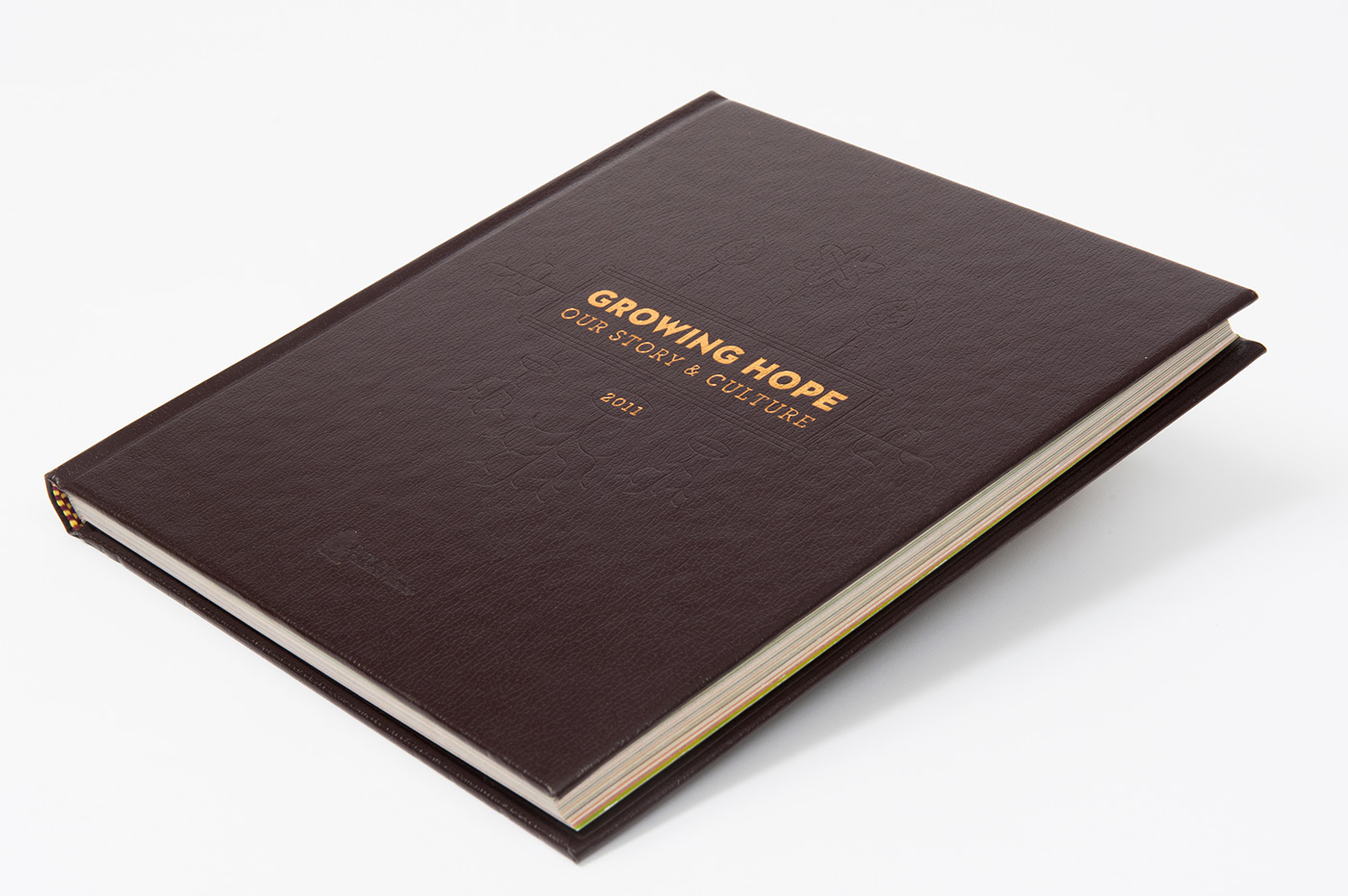
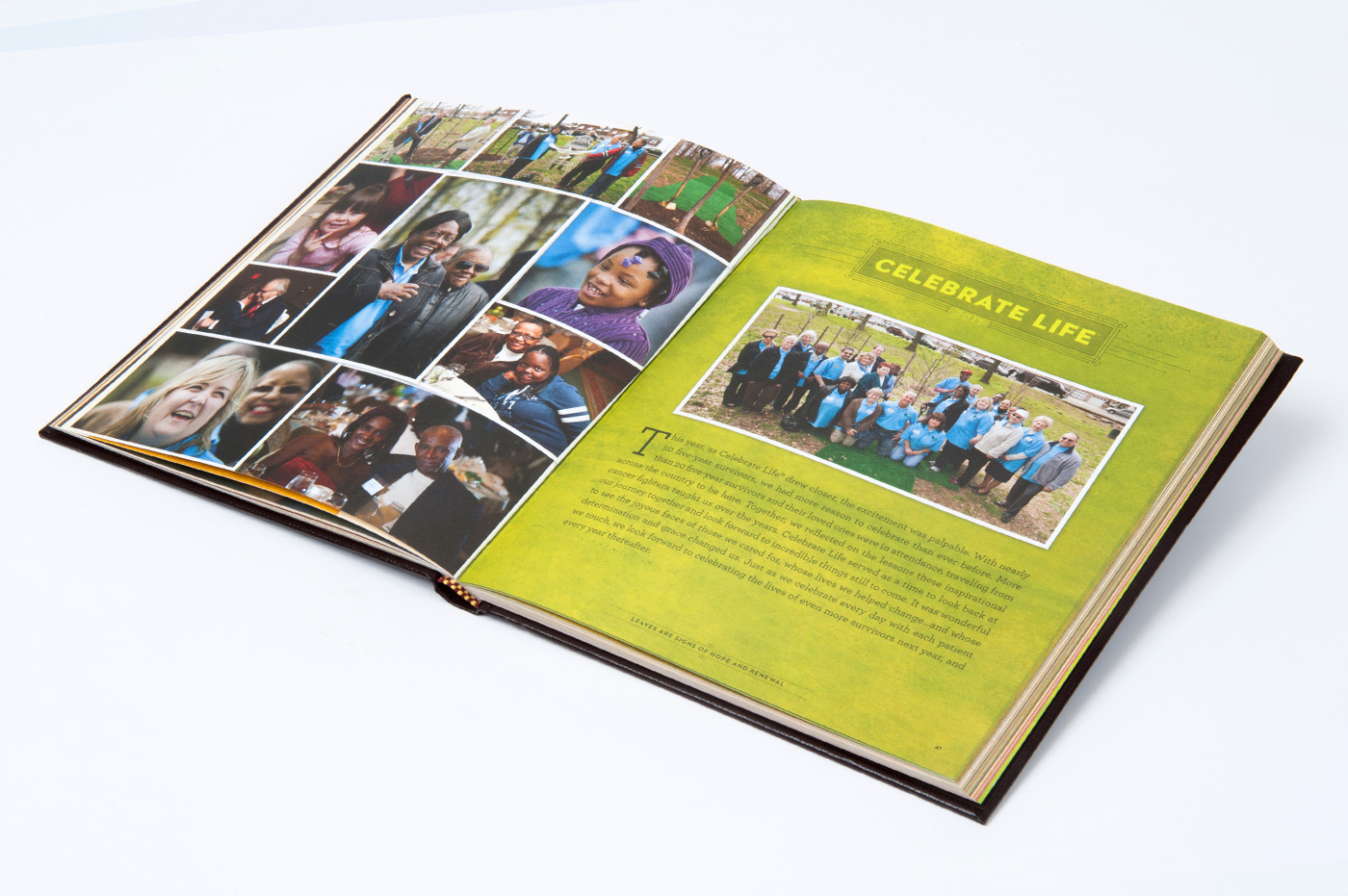
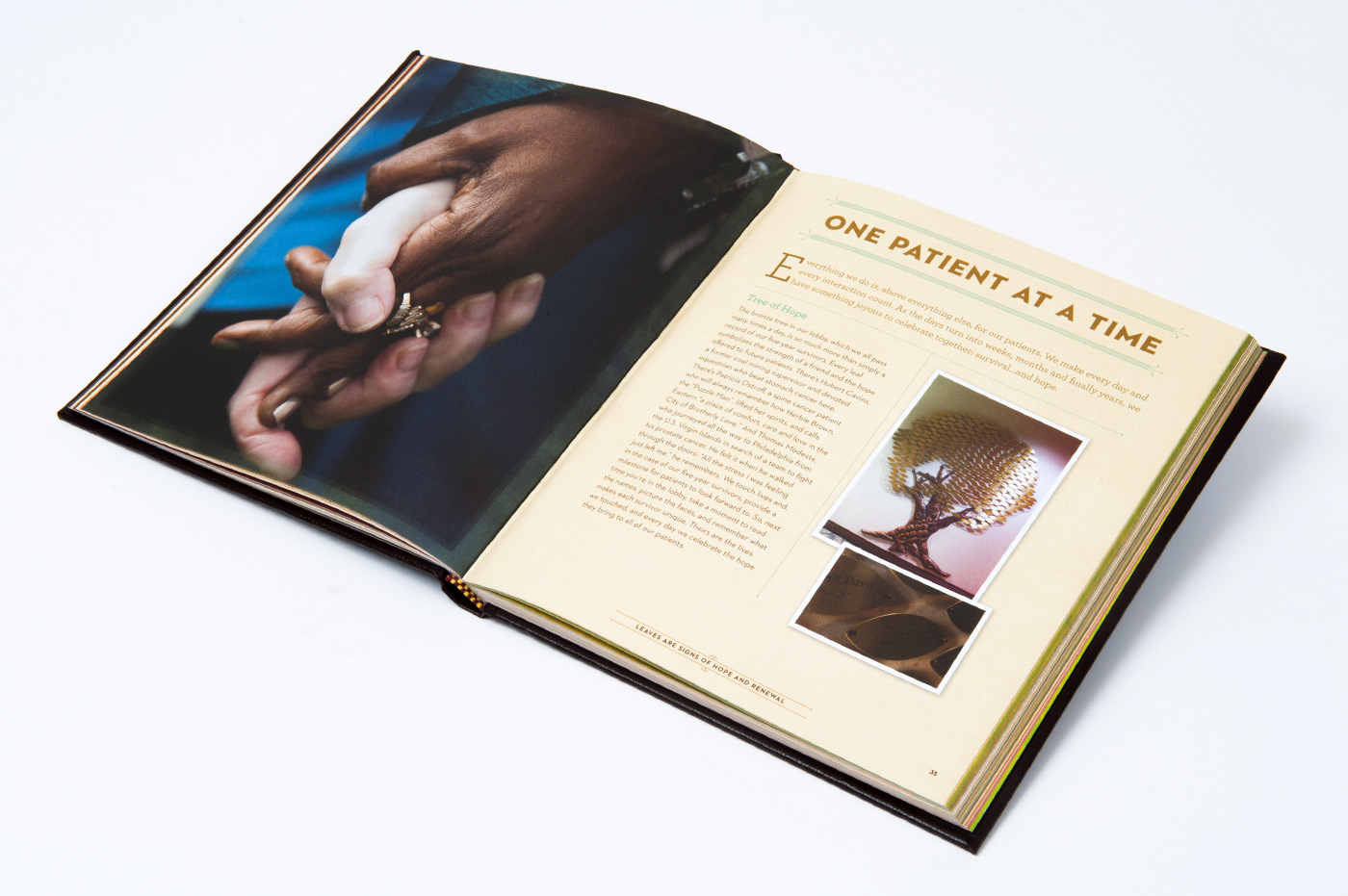
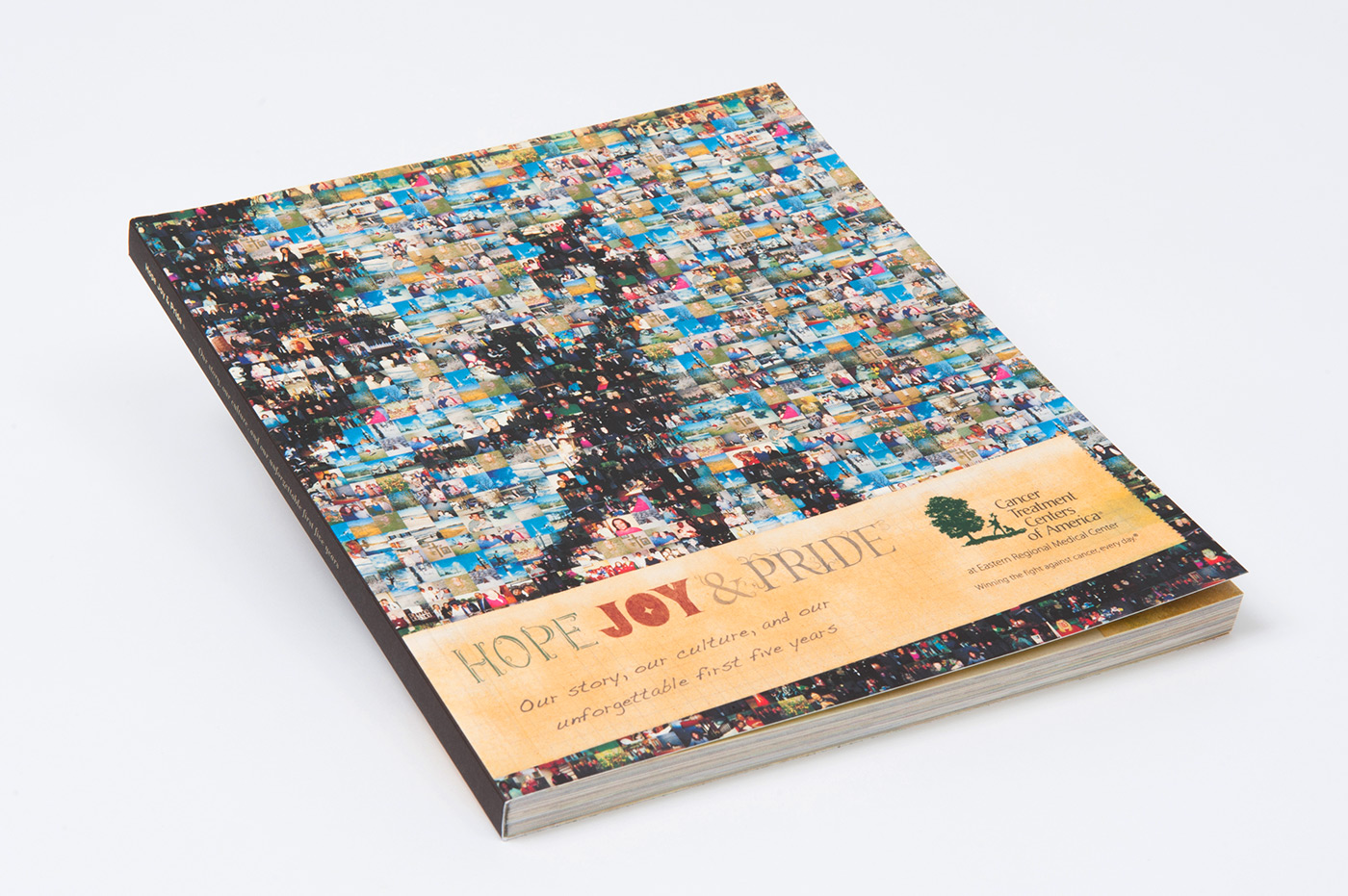
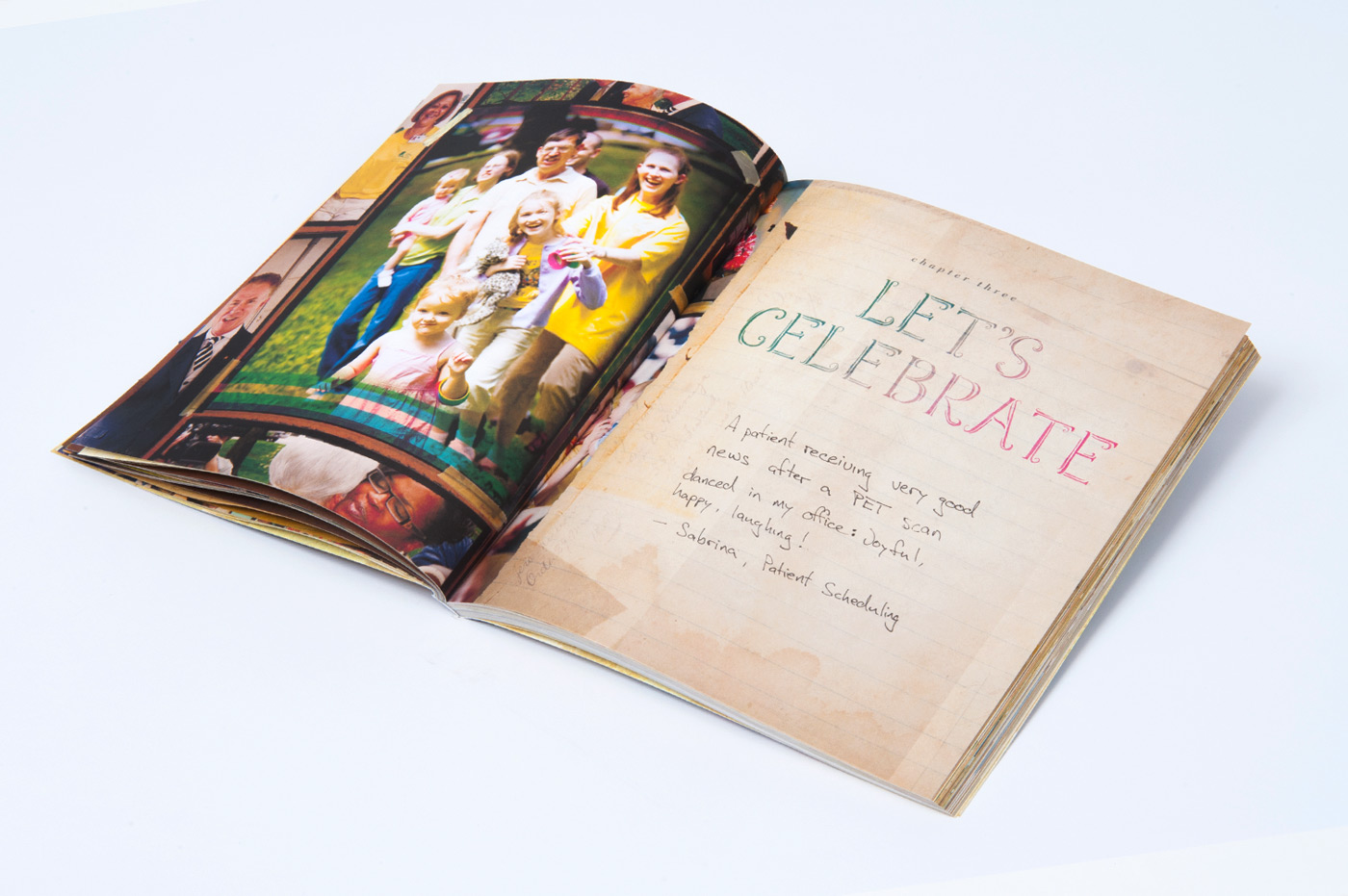
Commemorative book series for the Cancer Treatment Center of America.

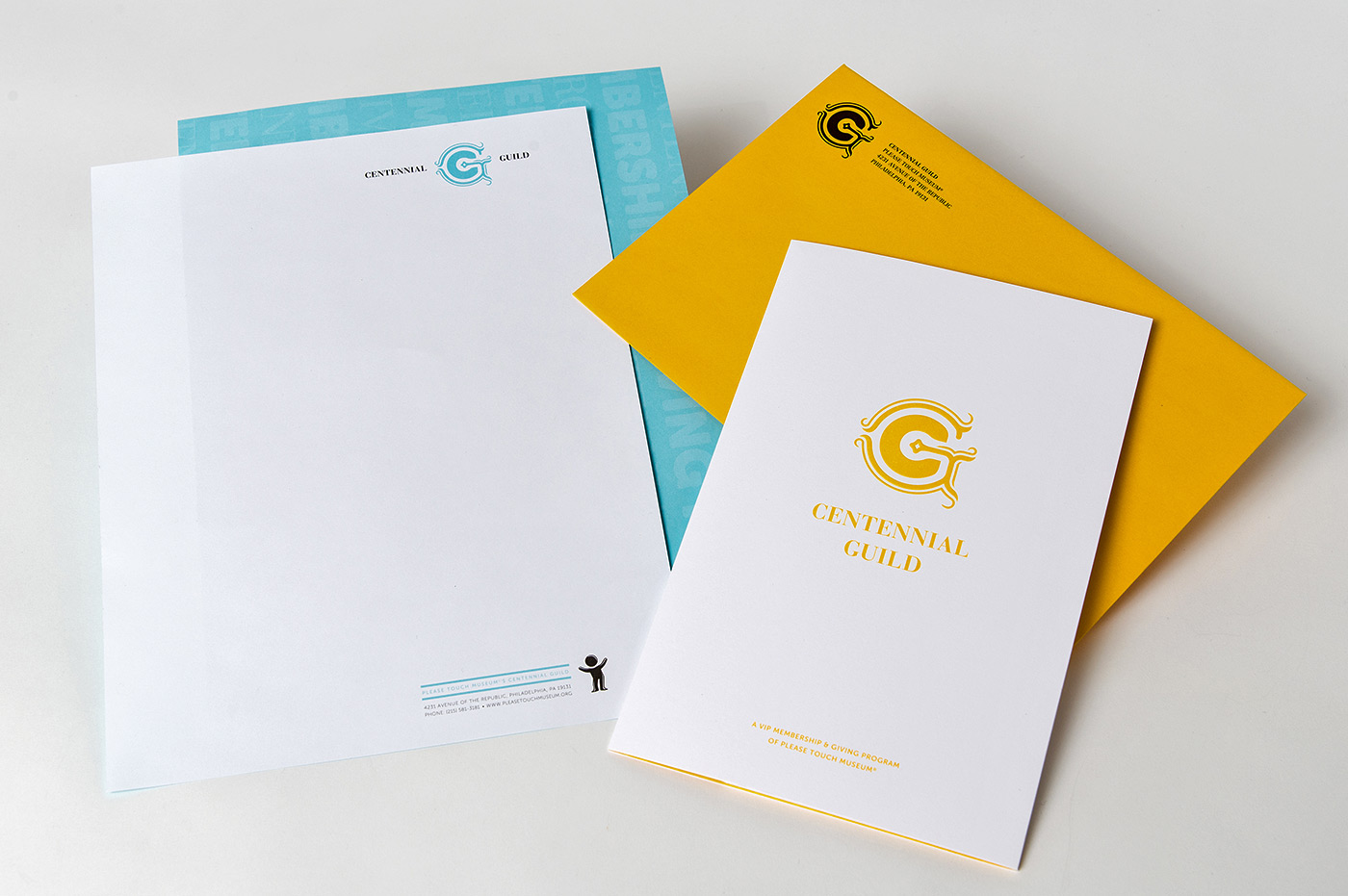
Identity program for the Please Touch Museum’s development campaign.
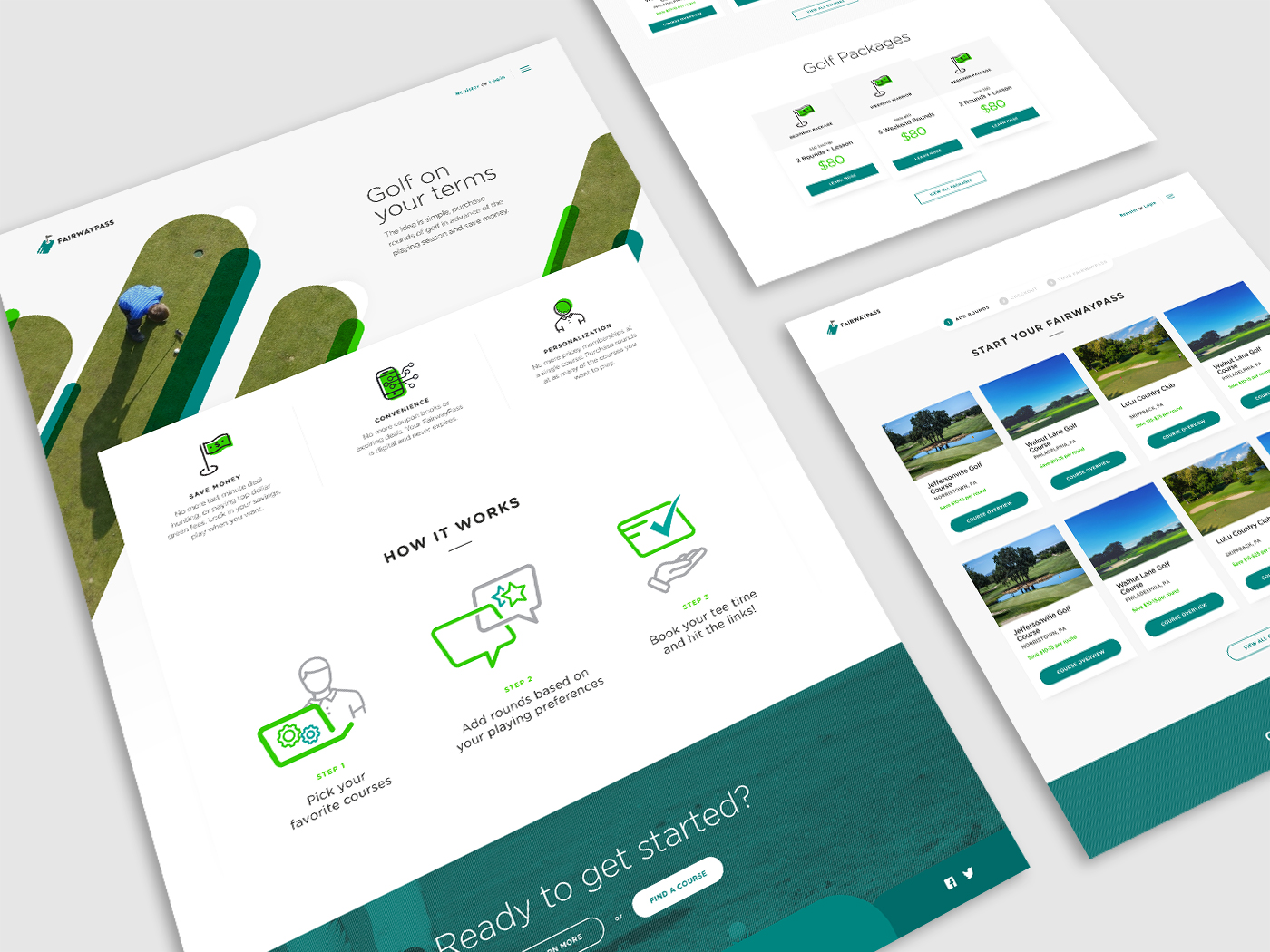
Identity & product design for Fairway Pass, a startup focused on simplifying scheduling for the golf industry.
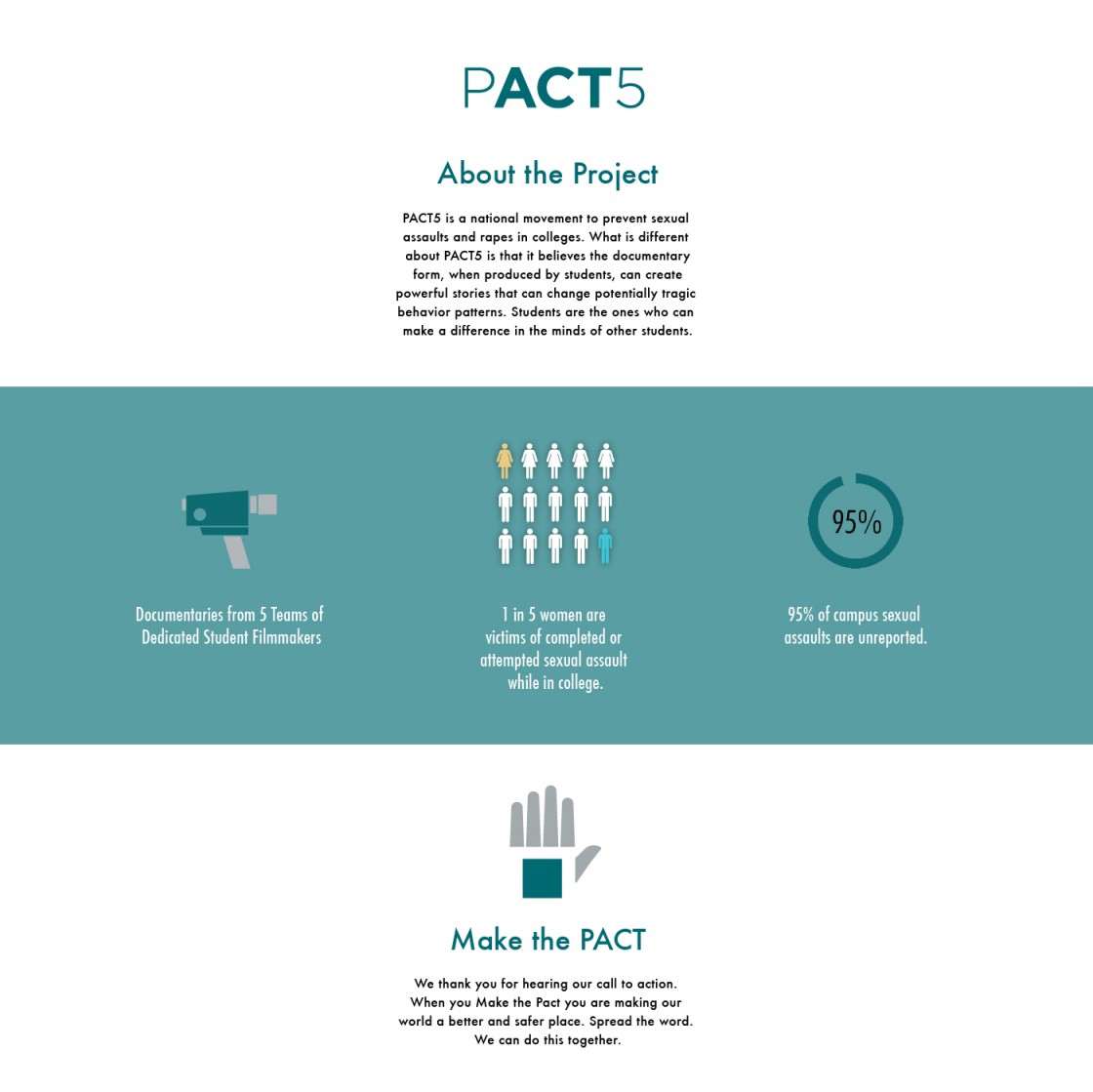
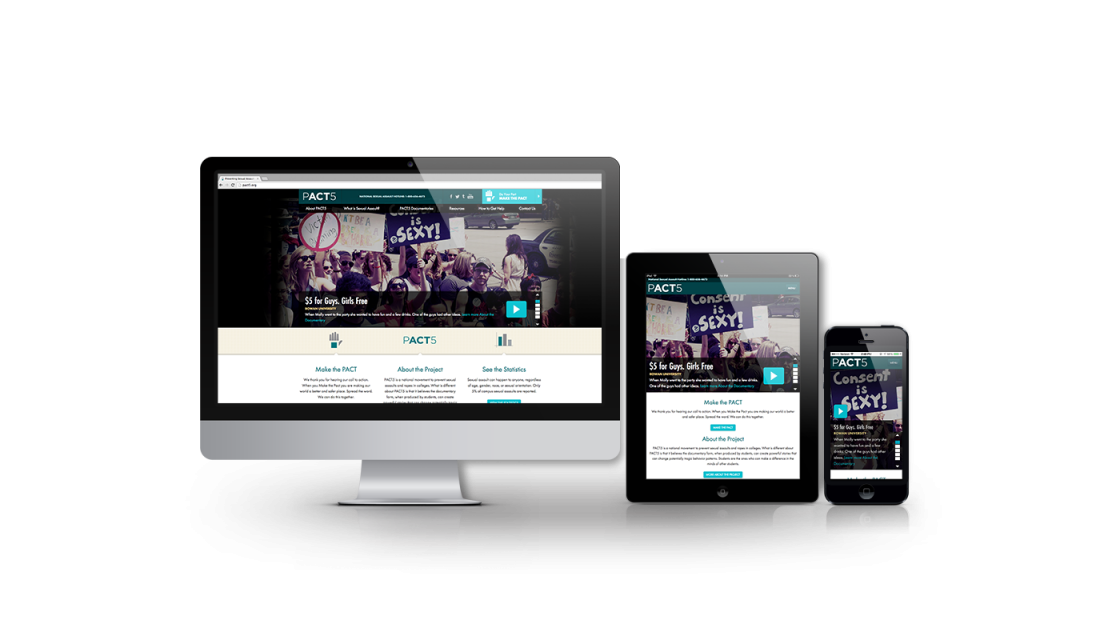
When Rowan University decided to build awareness of sexual abuse on college campuses, they asked five other universities to produce documentaries on the subject. Then they asked Cooper Graphic Design to build a strategy and visual communication plan to promote the initiative to a wide audience.